In the world of metal fabrication, every millimeter counts. From towering skyscrapers to intricate medical devices, the final product’s success hinges on a single, crucial element: precision. Accuracy is not just a desirable quality; it is the bedrock of the entire industry. Without it, the integrity, safety, and functionality of fabricated components are compromised. Understanding why exactness is so vital reveals its profound impact on every stage of production and assembly.
The Foundation of Quality and Integrity
Precision is the primary driver of quality in fabricated metal parts. When components are manufactured to exact specifications, they fit together seamlessly during assembly. This perfect alignment ensures the final product performs as designed, whether it’s a structural beam supporting a bridge or a small part inside an engine.
Ensuring Structural Soundness
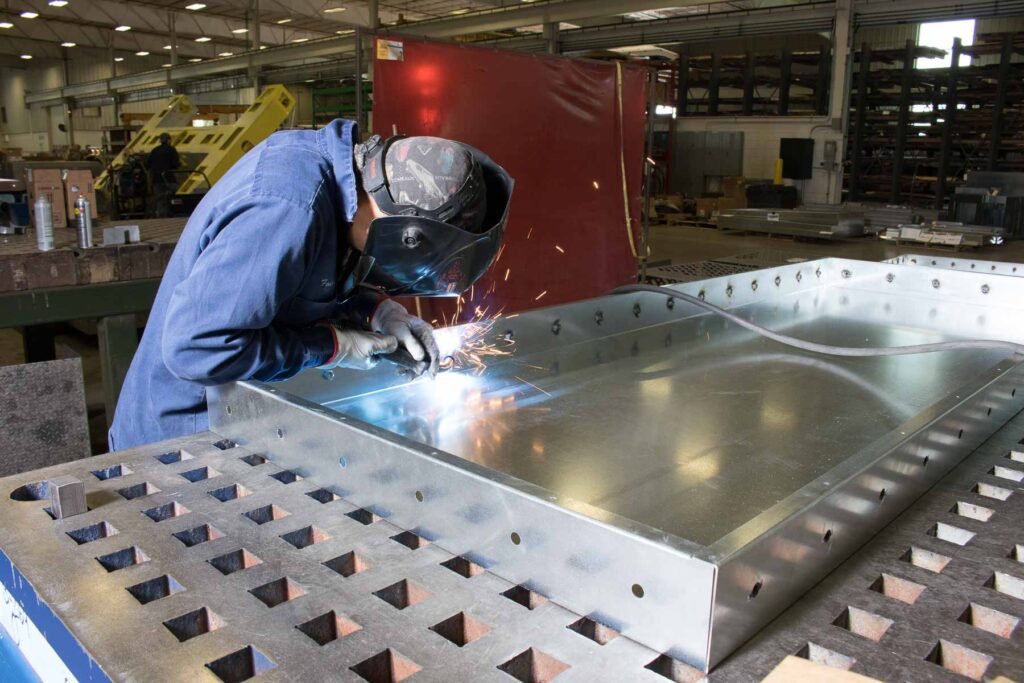
Minor deviations from a blueprint can lead to major structural weaknesses. A component that is even slightly misaligned or improperly sized can create stress points, increasing the risk of cracks, bends, or complete failure under pressure. Precise cuts, bends, and welds distribute loads evenly, guaranteeing the structural integrity and longevity of the final assembly. This commitment to accuracy is what makes modern construction and manufacturing possible.
Achieving Functional Performance
For many products, function is directly tied to form. In industries like aerospace and automotive, components must fit together with microscopic accuracy to work correctly. A turbine blade that is off by a fraction of an inch can disrupt airflow and reduce engine efficiency. A vehicle chassis with imprecise welds can compromise safety and handling. Accuracy ensures that each part fulfills its intended role flawlessly, leading to reliable and high-performing products.
Boosting Efficiency and Reducing Waste
A focus on precision from the outset streamlines the entire production process. Getting it right the first time minimizes costly errors and rework, saving both time and valuable materials.
Minimizing Material Waste
Scrap metal is a significant expense in fabrication. When initial cuts and shapes are inaccurate, materials often become unusable, leading to waste. Advanced technologies like CNC machining and laser cutting allow for highly precise operations that maximize the use of every metal sheet. This not only cuts down on material costs but also supports more sustainable manufacturing practices. For any company, from a large-scale industrial plant to a specialized shop offering metal fabrication in Utah, reducing waste is key to maintaining a competitive edge.
Streamlining Assembly
Imprecise components create bottlenecks during the assembly phase. Workers may spend valuable time grinding, forcing, or re-drilling parts to make them fit. This manual correction process slows down production and introduces inconsistencies. When every piece is fabricated with precision, assembly becomes a smooth and predictable process, allowing projects to stay on schedule and within budget.
Upholding Safety Standards
Accuracy in metal fabrication is a non-negotiable aspect of safety. For projects where human lives are at stake, such as in construction, infrastructure, and transportation, there is no room for error.
A poorly fabricated joint or a support beam that doesn’t meet specifications can have catastrophic consequences. Precision ensures that all safety-critical components can withstand the stresses and environmental conditions they were designed for. It provides the confidence that structures will remain stable and machinery will operate without unexpected failures, protecting both end-users and operators.
The Cornerstone of Modern Fabrication
Ultimately, precision is more than just a measurement; it is a mindset that defines modern metal fabrication. It separates reliable, high-quality work from substandard results. By prioritizing accuracy, fabricators ensure that their products are strong, functional, and safe. From the initial design to the final weld, a commitment to exactness is what turns raw metal into the essential components that build and power our world.