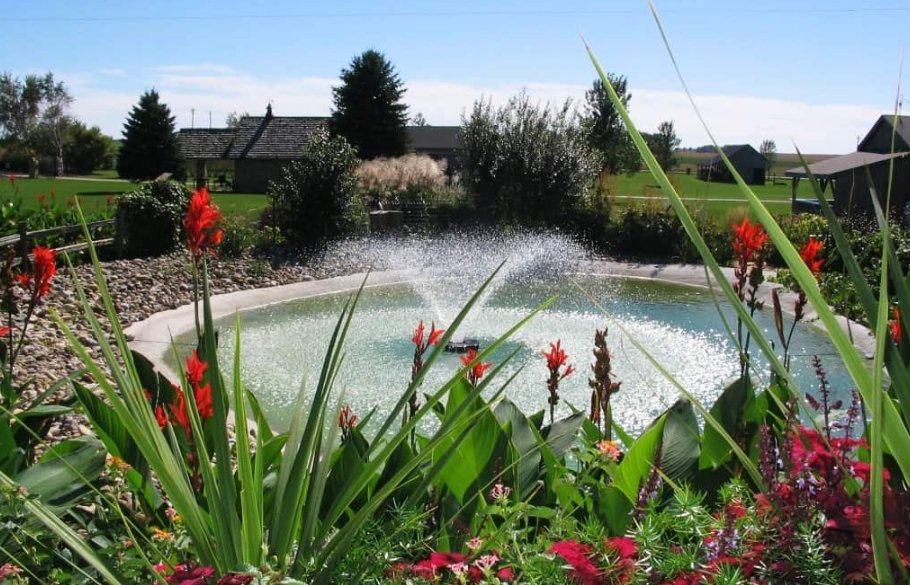
Selecting the perfect water feature for your pond can feel overwhelming with so many options available. The right floating pump transforms a stagnant water body into a dynamic centerpiece that enhances your entire outdoor space. Understanding the key differences between different models helps you make an informed decision that matches your specific landscape needs.
Floating pond pumps offer versatile solutions for homeowners seeking both aesthetic appeal and functional water circulation. These units combine fountain displays with practical benefits like improved water quality and oxygen levels. The market presents numerous options, from basic spray patterns to elaborate multi-tier designs with integrated lighting systems.
Understanding Essential Pump Specifications
Flow Rate Considerations: The gallons per hour (GPH) rating determines your fountain’s spray height and overall performance. Most residential ponds benefit from pumps ranging between 500 to 2,000 GPH, depending on desired visual impact. Higher flow rates create more dramatic displays but consume additional electricity throughout the day.
Power Requirements Analysis: Standard floating pumps operate on either 110V or 220V systems, with energy consumption varying significantly between models. Smaller units typically draw 50-150 watts, while larger fountain pumps can require 300-500 watts for continuous operation. Consider your electrical setup and monthly utility costs when comparing different power ratings.
Construction Material Durability: Quality floating pumps feature corrosion-resistant materials like stainless steel components and UV-stabilized plastic housings. These materials withstand constant water exposure and seasonal temperature fluctuations without degrading. Cheaper alternatives often use inferior plastics that crack or fade within one to two seasons of use.
Evaluating Advanced Feature Options
LED Lighting Integration: Modern floating pumps frequently include built-in LED systems that illuminate water displays after dark. These lighting packages typically offer multiple color options with programmable sequences for customized visual effects. Solar-powered LED variants reduce electrical costs but may provide less consistent brightness during cloudy weather periods.
Nozzle Variety and Flexibility: Interchangeable nozzle systems allow you to modify spray patterns without replacing the entire pump unit. Common options include tiered sprays, foam effects, and adjustable height patterns for different seasonal preferences. Some models include three to five different nozzles, providing versatility for changing your display throughout the year.
Surface Skimming Capabilities: Combination units that incorporate surface skimming functions help maintain cleaner water while providing fountain displays. These dual-purpose systems remove floating debris like leaves and pollen before they sink and decompose. The skimming feature proves particularly valuable during autumn months when falling leaves create maintenance challenges.
Matching Pumps to Pond Characteristics
Size and Depth Considerations: Pond dimensions directly influence which floating pump models will perform effectively in your specific water feature. Shallow ponds under three feet deep may experience splashing issues with high-powered units, while deeper water bodies can accommodate larger spray patterns. Measure your pond’s surface area and depth before selecting pump specifications.
Shape and Positioning Factors: Irregular pond shapes may require strategic pump placement to achieve even water circulation and attractive visual coverage. Round or oval ponds typically showcase centered fountain displays most effectively, while longer rectangular features might benefit from multiple smaller units. Consider sight lines from your home and outdoor seating areas when planning placement.
Aesthetic Versus Aeration Balance: Some homeowners prioritize dramatic visual displays, while others focus primarily on water quality improvement through enhanced oxygenation. Pure aeration systems move larger volumes of water with less dramatic spray patterns, maximizing dissolved oxygen levels. Decorative fountains emphasize height and pattern complexity over circulation efficiency.
Energy Efficiency and Operating Costs
Variable Speed Technology: Advanced floating pumps incorporate variable speed controls that allow you to adjust flow rates based on seasonal needs or personal preferences. These systems reduce energy consumption during periods when full power isn’t necessary for your desired effect. Variable speed options can decrease electricity costs by 20-40% compared to single-speed alternatives.
Solar Power Integration: Solar-powered floating pumps eliminate electrical connections and reduce ongoing operating expenses, though they depend on adequate sunlight for consistent performance. These units work best in locations receiving six or more hours of direct sunlight daily. Battery backup systems extend operation into evening hours but add complexity and replacement costs.
Seasonal Operation Planning: Consider whether you’ll operate your floating pump year-round or seasonally when evaluating energy efficiency features. Continuous operation benefits from the most efficient models available, while seasonal use may justify higher-powered units for maximum visual impact. Winter operation in freezing climates requires special considerations for ice formation prevention.
Product Selection and Comparison Guidelines
Entry-Level Options: Basic floating fountain pumps typically offer 300-800 GPH flow rates with simple spray patterns and minimal additional features. These units suit smaller ponds under 1,000 gallons and provide reliable operation at affordable price points.
- Compact Design Benefits: Smaller pumps integrate easily into existing pond setups without overwhelming the water feature’s natural appearance.
- Simple Maintenance Requirements: Basic models have fewer components that require cleaning or seasonal service, reducing long-term maintenance complexity.
- Limited Feature Sets: Entry-level units usually lack advanced lighting, multiple nozzles, or variable speed controls found in premium models.
Mid-Range Solutions: Intermediate floating pumps deliver 800-1,500 GPH with LED lighting packages and multiple nozzle options for enhanced versatility. These models balance performance capabilities with reasonable operating costs for most residential applications.
Premium Performance Models: High-end floating fountain systems provide 1,500+ GPH flow rates, comprehensive lighting controls, and advanced features like remote operation or programmable timers. These units suit large ponds and homeowners seeking maximum visual impact with professional-grade performance standards.
Conclusion
Choosing the right floating pond pump requires balancing your aesthetic preferences with practical considerations like pond size, energy costs, and maintenance requirements. Focus on models that match your specific water feature dimensions and intended use patterns rather than simply selecting the most powerful option available. Take time to evaluate your electrical setup, seasonal operation plans, and desired visual effects before making your final selection for the best long-term satisfaction with your investment.