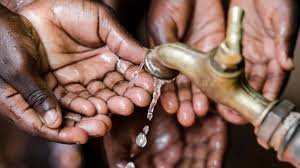
Nearly 2 billion people worldwide lack access to safely managed drinking water, making the global water crisis one of today’s most urgent challenges. This issue impacts public health, economic development, and social stability, and is expected to worsen with climate change. Understanding the problem and its potential solutions, from technology to grassroots efforts, is crucial for driving meaningful change.
The Life-Changing Impact of Clean Water Access
Clean water serves as the foundation for healthy communities and thriving economies. When families have reliable access to safe drinking water, the ripple effects transform entire societies in measurable ways.
Health Benefits That Save Lives
Access to clean water prevents waterborne diseases that claim hundreds of thousands of lives annually. Cholera, typhoid, and diarrheal diseases—all preventable with safe water—disproportionately affect children under five years old. When communities gain access to clean water sources, child mortality rates drop significantly, and overall life expectancy increases.
Clean water also enables proper hygiene practices, reducing the spread of infectious diseases beyond those transmitted through contaminated water. Hand washing alone can prevent up to 30% of diarrheal diseases and 20% of respiratory infections.
Economic Opportunities Unlock Potential
Time spent collecting water—often by women and children—represents lost opportunities for education, income generation, and community development. In many regions, families dedicate up to six hours daily to water collection, walking an average of 3.7 miles to reach a water source.
When reliable water access arrives, children can attend school regularly, women can pursue economic activities, and communities can focus on productive endeavors rather than survival. Studies show that every dollar invested in water and sanitation generates an economic return of between $3 and $34, depending on the region and intervention type.
Social Progress Advances Gender Equality
Water scarcity particularly burdens women and girls, who bear primary responsibility for water collection in 80% of households without access. This responsibility limits educational opportunities and economic participation, perpetuating cycles of inequality.
Accessible water sources within communities enable girls to complete their education and women to engage in income-generating activities, contributing to broader social and economic development.
Understanding the Scale of the Global Water Crisis
The numbers behind the water crisis reveal both the magnitude of the challenge and the progress still needed. Currently, 771 million people lack basic drinking water services, while 1.7 billion people rely on water sources contaminated with feces.
Water scarcity affects four out of every ten people globally, and this figure continues to rise due to increasing demand and climate variability. By 2050, global water demand is projected to increase by 20-30%, while climate change could reduce water availability by up to 20% in some regions.
Regional Disparities Create Urgent Needs
Sub-Saharan Africa faces the most severe water challenges, with only 61% of the population having access to basic drinking water services. Rural communities are disproportionately affected, with access rates significantly lower than in urban areas.
Small island developing states and least developed countries experience particular vulnerability due to limited infrastructure, financial resources, and technical capacity to develop water systems.
Quality Concerns Compound Access Issues
Having a water source nearby doesn’t guarantee safety. Contamination from industrial pollution, agricultural runoff, and inadequate sanitation systems affects water quality even when sources appear accessible. Heavy metals, chemicals, and pathogens make water unsafe for consumption, creating health risks that communities may not immediately recognize.
Root Causes Behind Water Scarcity
Multiple interconnected factors contribute to water scarcity and contamination, creating complex challenges that require comprehensive solutions.
Climate Change Intensifies Pressure
Rising temperatures alter precipitation patterns, leading to more frequent droughts in some regions and flooding in others. Both extremes disrupt water supplies—droughts reduce availability while floods contaminate existing sources.
Glacial melt affects long-term water security for communities that depend on seasonal water flows. As glaciers shrink, the reliable water supply for millions of people faces uncertainty.
Infrastructure Gaps Limit Distribution
Even where water exists, inadequate infrastructure prevents effective distribution and treatment. Aging pipes, insufficient storage capacity, and lack of treatment facilities mean that available water doesn’t reach those who need it most.
Rural and marginalized communities often lack the political influence or economic resources to secure infrastructure investments, perpetuating disparities in water access.
Pollution Threatens Available Sources
Industrial discharge, agricultural chemicals, and untreated wastewater contaminate water sources faster than natural systems can clean them. Mining activities, manufacturing processes, and intensive farming practices introduce pollutants that remain in water systems for years.
Population growth and urbanization increase pressure on existing water sources while generating more pollution, creating a cycle where demand rises as quality decreases.
Promising Solutions and Global Initiatives
Despite the challenges, innovative solutions and dedicated organizations are making measurable progress in expanding water access worldwide.
Technological Innovations Improve Efficiency
Solar-powered water purification systems provide sustainable solutions for remote communities. These systems require minimal maintenance while producing safe drinking water without ongoing fuel costs.
Smart water management systems use sensors and data analytics to optimize distribution, reduce waste, and identify maintenance needs before systems fail. These technologies help maximize the impact of existing infrastructure investments.
Well drilling operations, including well drillings like those in Utah, demonstrate how modern techniques can efficiently access groundwater sources to serve communities with limited surface water options.
Community-Based Approaches Ensure Sustainability
Local ownership and management of water systems improve long-term sustainability. When communities participate in planning, construction, and maintenance of water infrastructure, projects are more likely to remain functional over time.
Training programs that develop local technical skills create employment opportunities while ensuring communities can maintain and repair their water systems independently.
International Partnerships Multiply Impact
Organizations like Water.org, charity: water, and the Water Project leverage partnerships with local communities, governments, and other nonprofits to implement comprehensive water solutions.
Government initiatives and international development agencies provide funding and technical expertise for large-scale infrastructure projects that individual communities cannot undertake alone.
Taking Action: How You Can Help
The water crisis requires sustained action from individuals, communities, and institutions worldwide. Your involvement can contribute to meaningful change through various channels.
Supporting established organizations with proven track records ensures your contributions fund effective programs. Research organizations that provide transparency about their projects, costs, and outcomes to maximize your impact.
Advocacy efforts raise awareness and influence policy decisions that affect water access globally. Contacting elected representatives, sharing information on social media, and participating in awareness campaigns help maintain political focus on water issues.
Corporate partnerships and workplace giving programs can amplify individual contributions. Many employers offer matching donations or organize team fundraising efforts for water projects.
Conclusion
Now that you have learned more about the global water crisis, it is important to take action. There are many ways to get involved and make a difference, from making individual lifestyle changes to supporting organizations that work towards improving access to clean water.