Understanding how inhaled substances affect human health has never been more critical. Traditional animal testing methods, while historically valuable, often fail to accurately predict human responses to inhaled compounds. This gap between laboratory results and real-world outcomes has driven researchers to develop sophisticated in-vitro systems that better mimic human respiratory biology.
Predictive in-vitro systems represent a paradigm shift in inhalation toxicology research. These advanced laboratory models use human cells and tissues to create controlled environments that replicate the complex interactions occurring in our respiratory system. By eliminating species-specific differences and ethical concerns associated with animal testing, these systems provide more relevant data for human health assessments.
The pharmaceutical industry, regulatory agencies, and research institutions increasingly rely on these innovative approaches to evaluate everything from new drug formulations to environmental pollutants. The results inform critical decisions about product safety, regulatory approval, and public health policies.
How In-Vitro Inhalation Models Work
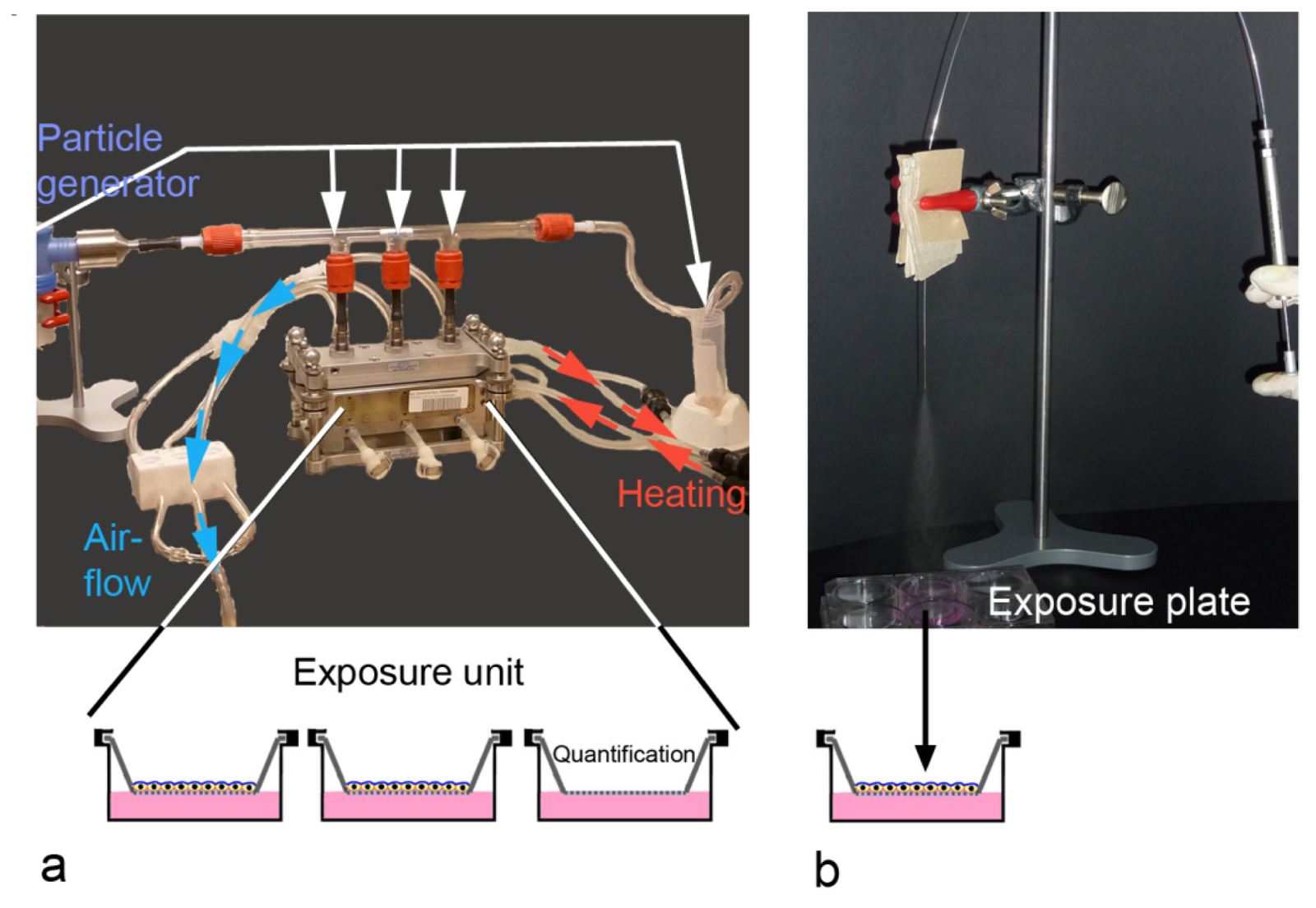
Modern in-vitro systems for inhalation studies employ several sophisticated approaches to simulate human respiratory conditions. Air-liquid interface (ALI) cultures represent one of the most successful innovations in this field. These systems expose cultured respiratory epithelial cells to test substances through the air phase while maintaining cell viability through basolateral nutrient supply.
The setup mimics natural breathing conditions more accurately than traditional submerged cell cultures. Researchers can introduce test compounds as aerosols, gases, or particles directly onto the apical surface of the cells, just as would occur during normal inhalation. This direct exposure method provides insights into immediate cellular responses and longer-term toxic effects.
Microfluidic organ-on-a-chip technology takes this concept even further. These miniaturized devices incorporate multiple cell types, including epithelial cells, endothelial cells, and immune cells, arranged in three-dimensional structures that replicate tissue architecture. Some advanced models even include mechanical breathing motions and blood flow simulation.
Advantages Over Traditional Testing Methods
The benefits of predictive in-vitro systems extend far beyond ethical considerations. These models offer unprecedented control over experimental conditions, allowing researchers to isolate specific variables and study mechanisms of toxicity in detail. Unlike animal studies, where individual genetic variations and environmental factors can confound results, in-vitro systems provide reproducible conditions that enable precise dose-response relationships.
Speed represents another significant advantage. While animal studies may require months or years to complete, in-vitro systems can generate initial results within days or weeks. This acceleration is particularly valuable for screening large numbers of compounds or formulations during early development phases.
Cost-effectiveness makes these systems attractive to both commercial and academic researchers. The reduced expenses associated with animal housing, veterinary care, and specialized facilities allow organizations to conduct more comprehensive studies with limited budgets. Additionally, the ability to use human-derived cells provides more relevant data for human health risk assessment.
Advanced Modeling Techniques
Recent developments in vasculature-on-a-chip toxicology model technology have revolutionized how researchers study inhaled substance transport and systemic effects. These sophisticated systems incorporate blood vessel-like structures that allow scientists to observe how inhaled compounds cross the respiratory barrier and enter systemic circulation.
Multi-organ chip systems take integration even further by connecting respiratory models to liver, heart, or kidney chips through microfluidic channels. This approach enables researchers to study how inhaled substances are metabolized and eliminated from the body, providing a more complete picture of toxicity profiles.
Computational modeling enhances these experimental systems by predicting particle deposition patterns, absorption rates, and tissue distribution. Machine learning algorithms analyze complex datasets to identify biomarkers of toxicity and predict human responses to new compounds.
Applications Across Industries
Pharmaceutical companies use predictive in-vitro systems to optimize inhalation drug formulations and delivery devices. These models help identify the most effective particle sizes, drug concentrations, and excipient combinations while minimizing potential adverse effects on respiratory tissues.
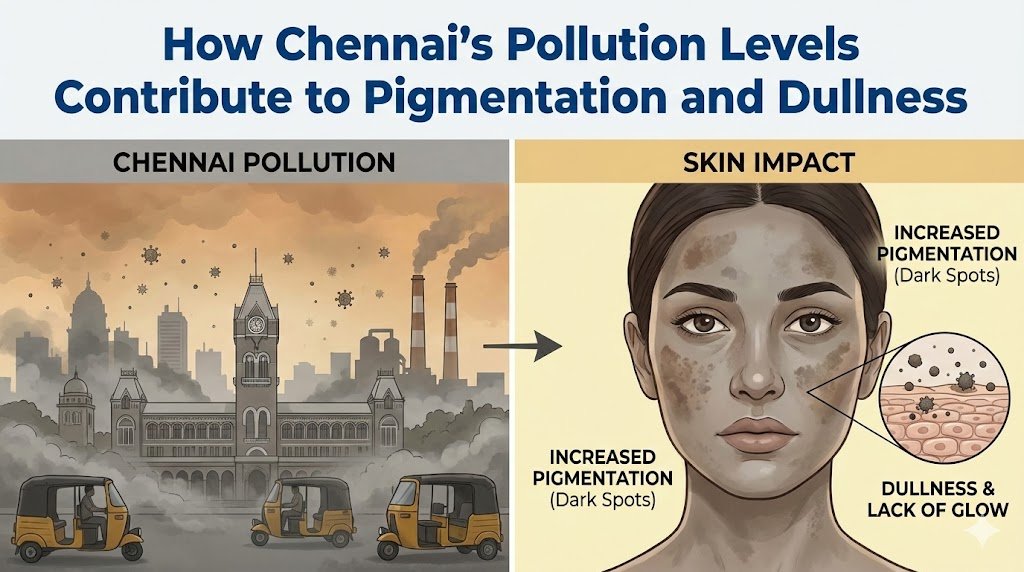
Consumer product manufacturers rely on these systems to evaluate the safety of aerosol products, from household cleaners to cosmetic sprays. Environmental health researchers use similar approaches to study air pollution effects, assessing how particulate matter, volatile organic compounds, and other airborne contaminants impact human respiratory health.
The tobacco and e-cigarette industries increasingly utilize these models to evaluate product modifications and support regulatory submissions. Research institutions employ predictive in-vitro systems to investigate respiratory disease mechanisms and test potential therapeutic interventions.
Challenges and Future Directions
Despite significant advances, predictive in-vitro systems face several limitations that researchers continue to address. Current models struggle to fully replicate the complexity of human respiratory physiology, including the intricate interactions between different cell types, immune responses, and long-term tissue remodeling processes.
Standardization remains an ongoing challenge. Different laboratories may use varying protocols, cell sources, and exposure conditions, making it difficult to compare results across studies. International organizations are working to establish standardized guidelines that will improve reproducibility and regulatory acceptance.
The integration of artificial intelligence and machine learning promises to enhance the predictive power of these systems. Advanced algorithms can identify subtle patterns in cellular responses that might indicate toxicity risks, even at exposure levels that don’t produce obvious effects.
Advancing Respiratory Health Research
Predictive in-vitro systems for inhalation studies represent a fundamental shift toward more human-relevant, efficient, and ethical research methods. As these technologies continue to evolve, they will play an increasingly important role in protecting public health and advancing our understanding of respiratory toxicology.
The future success of these systems depends on continued collaboration between researchers, regulatory agencies, and industry stakeholders to refine protocols, establish standards, and validate results against human health outcomes. This collective effort will ensure that predictive in-vitro systems fulfill their promise of providing better, faster, and more relevant data for inhalation safety assessment.