Owning an RV is about more than just having a home on wheels—it’s about freedom, adventure, and creating unforgettable memories. Whether you’re exploring winding mountain roads or parking at a lakeside campsite, your RV is both your transportation and your shelter. But like any vehicle and living space, it requires consistent care to keep it running smoothly and comfortable for your travels. Neglecting maintenance can quickly turn your dream road trip into an expensive headache.
This guide covers the essentials of RV care, from preventive maintenance to seasonal upkeep, so you can hit the road with confidence.
1. Keep Up with Engine and Drivetrain Maintenance
If your RV is motorized, its engine is the heart of your adventures. Just like with any vehicle, regular oil changes are non-negotiable. Skipping them can cause premature wear and costly repairs. Make sure you also:
- Check fluids regularly – Transmission, coolant, power steering, and brake fluids should always be at safe levels.
- Inspect belts and hoses – Cracks or leaks can lead to breakdowns in remote areas.
- Change filters – Air and fuel filters ensure efficient performance.
- Monitor the battery – RV batteries endure heavy use. Keep terminals clean and check water levels if you have a lead-acid type.
If your RV is a towable trailer, don’t forget to maintain the tow vehicle too—after all, it’s doing the heavy lifting.
2. Tires: Your Foundation for Safe Travels
Tires bear the full weight of your RV and its cargo, making them one of the most critical components to maintain. Before every trip:
- Check tire pressure – Underinflated tires can overheat and fail, while overinflated ones wear unevenly.
- Inspect tread depth – Worn treads reduce traction, especially in wet conditions.
- Look for cracks – Sun exposure can dry out rubber, leading to dangerous blowouts.
- Don’t forget the spare – A flat spare won’t help you on a lonely stretch of highway.
Investing in a tire pressure monitoring system (TPMS) can provide real-time alerts, adding peace of mind on long drives.
3. Plumbing and Water Systems
An RV’s water system makes camping feel like home, but it can also cause major issues if not cared for properly. Key steps include:
- Sanitize tanks – At least once a season, disinfect the freshwater system to prevent bacteria.
- Check for leaks – Inspect faucets, pipes, and the water heater. Small drips can become costly problems.
- Drain properly before winter – If you live in a colder climate, make sure water lines are winterized to avoid burst pipes.
4. Electrical Systems: Powering Your Adventures
RVs have two electrical systems: 12-volt DC (from batteries) and 120-volt AC (like household current). Keeping both in shape is crucial.
- Test outlets and lights regularly.
- Inspect fuses and breakers – Carry spares for quick replacements.
- Maintain your generator – Change oil, replace filters, and run it periodically, even when not in use, to keep it in good shape.
- Check solar panels if installed, ensuring they are clean and free of debris.
5. Roof and Exterior Care
Your RV’s exterior protects everything inside. Regular care prevents leaks and structural damage.
- Inspect the roof – Check seals and seams for cracks or deterioration. Apply RV-specific sealant when needed.
- Wash and wax – A good cleaning prevents buildup of dirt and protects against UV damage.
- Check awnings and slide-outs – Clean them, lubricate moving parts, and look for tears in fabric or worn seals.
6. Interior Upkeep
Inside, comfort and cleanliness make the difference between a cozy trip and a frustrating one.
- Clean appliances – Regularly maintain the refrigerator, stove, and furnace for efficiency and safety.
- Vacuum and wipe surfaces – Dust and crumbs can attract pests.
- Inspect smoke and CO detectors – Test batteries before every trip.
- Check for moisture – RVs are prone to condensation. Using dehumidifiers or vent fans can help prevent mold.
7. Seasonal and Long-Term Storage
If your RV isn’t on the road year-round, preparing it for storage is just as important as regular maintenance. Start by winterizing the water system—drain the lines and add RV antifreeze if you’ll face freezing temperatures. To shield your vehicle from the elements, store it indoors or under a protective cover.
If you’re local, working with a trusted carport dealer in Huntsville is a smart way to secure a durable shelter that guards against sun, rain, and snow. Before locking things up, clear out all perishables to prevent pests from moving in, and don’t forget to check on your RV periodically. Even in storage, batteries, seals, and tires require occasional attention to stay in good condition.
8. Emergency Preparedness
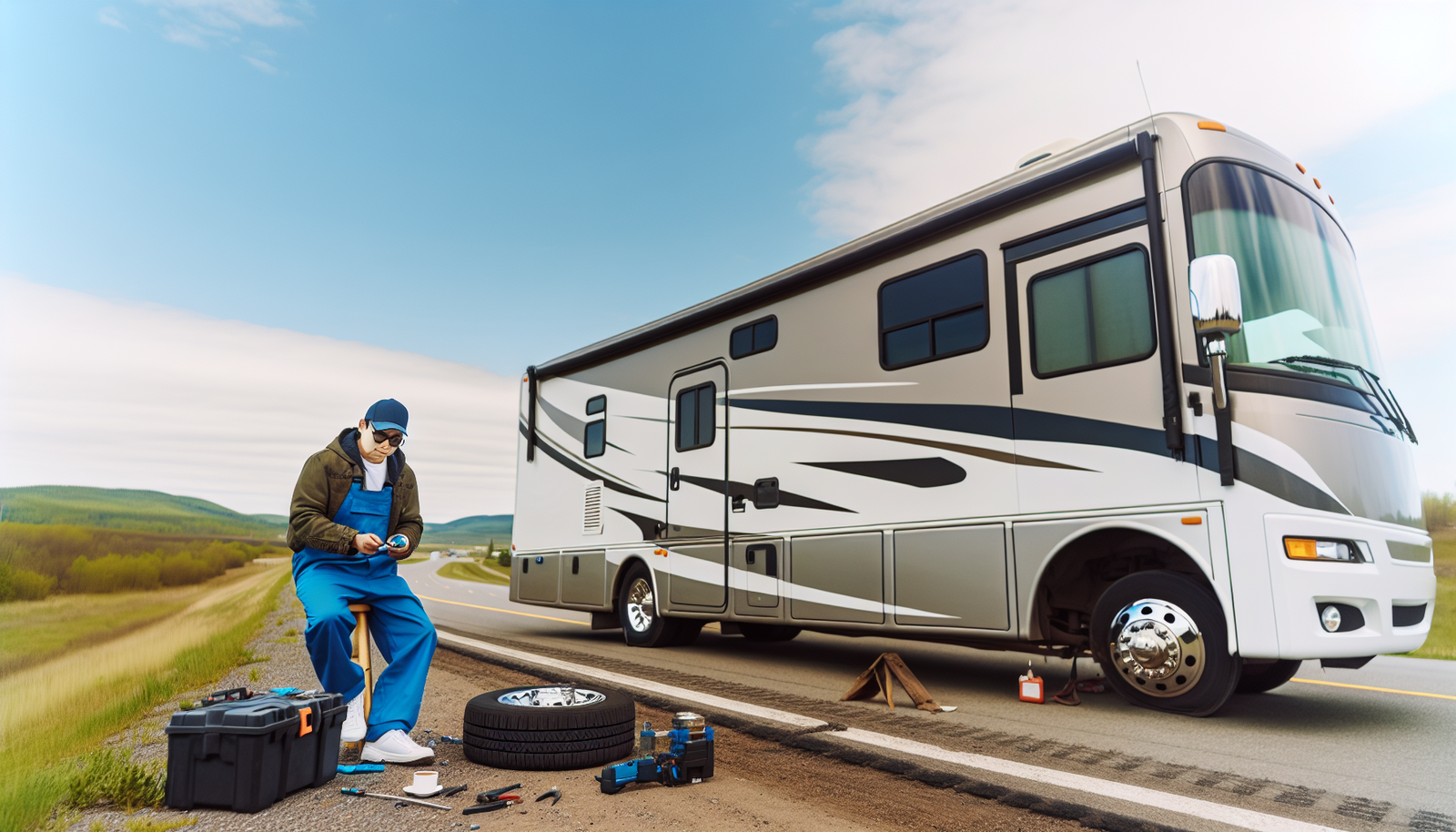
No matter how well you maintain your RV, surprises can happen. Carry a toolkit with basics like wrenches, duct tape, fuses, and a tire repair kit. Having roadside assistance specific to RVs is also a smart investment.
Final Thoughts
Your RV is more than a vehicle—it’s a companion in your adventures. With consistent care and attention, you’ll not only extend its lifespan but also ensure every trip is safe, comfortable, and memorable. By staying ahead on maintenance, you’ll spend less time worrying about repairs and more time enjoying the open road.
So, before you set out on your next road trip, take the time to check fluids, inspect tires, and give your RV the care it deserves. Your future self—parked at a beautiful campsite with no worries in sight—will thank you.