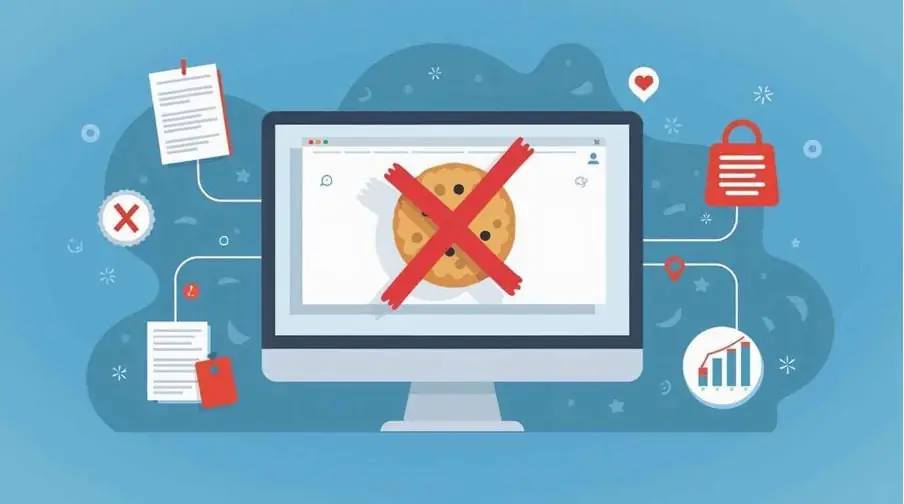
According to Business Standard, by leveraging consumer data, 78% of marketers report an increase in marketing efficiency. Data is the new gold, and businesses are digging it. Marketers not only depend on it for decision-making but also use it to reach new markets. However, in recent times, data collection methods have taken a shift towards consumer-centric methods. This can be seen in the fall of third-party cookies. Brands can switch to cookieless tracking tools to go past third-party cookies. Such tools help businesses collect data with privacy-first methods like first-party data collection, server-side tracking, and more.
What Are Cookieless Tracking Tools?
Cookieless tracking tools are technologies that aid brands in observing user activities without relying on third-party cookies. Instead, they use privacy-first methods to measure user behaviour patterns. As data collection is of prime importance in delivering results, such tools strike a balance between data compliance and insights that businesses need to cater to consumer needs.
Types of Cookieless Data Collection Methods
Cookieless tracking is no longer a buzzword. Businesses are readily adopting it to avoid privacy violations and prevent sensitive customer data breaches. Some common methods of data collection are:
1. Server-side tracking
S2S or server-side tracking is done directly through servers without relying on a user’s browser, which may be subject to browser restrictions. For instance, when conversion data gets sent to ad platforms through server-to-server APIs, it can be termed as server-side tracking.
2. Digital Fingerprinting
This method uses user details like browser type, screen size, or operating system to build a user profile and recognize patterns. For example, user sessions can be tracked while maintaining individual anonymity.
3. First-Party Data Collection
First-party data collection is a widely used method to collect information directly from users through company websites, email sign-ups, surveys, etc. Platforms like Trackier provide first-party data collection using tracking technologies such as website pixels, email analytics, and mobile SDKs to collect data directly. This helps brands go beyond third-party cookies and ensure privacy compliances are met.
4. Zero-Party Data Collection
When users share their preferences or interests on their own through loyalty programs and preference centers, it leads to accurate data collection, which can be used to deliver personalized experiences.
Assessing The Impact of Going Cookieless on Campaigns
Cookieless tracking can impact campaign effectiveness in numerous ways. Here are some major impacts that marketers can expect with cookieless tracking:
Negative Impacts:
- Limited Cross-channel attribution- Third-party cookies are essential to track users’ journeys across multiple channels. This can limit tracking opportunities, which can impact visibility of conversion touchpoints.
- Implementation complexity- Setting up advanced tracking tools requires a considerable amount of investment and technical expertise.
Positive Impacts:
- Better Compliance- Compliance with up-to-date regulations helps avoid running into legal risks
- Data Accuracy- Direct data collection offers reliable and accurate data that fills data gaps and assists in better decision-making.
How to Optimize Marketing Campaigns with Cookieless Tracking Tools
Cookieless tracking tools aren’t just for compliance; they deliver accurate insights that marketers can maximise on for better campaign optimization. Here are some key ways to optimize your campaigns:
- Use first-party data for targeting- Leverage directly collected data to create precise audience segments for targeting your campaigns.
- Test event-based metrics- Implement tracking event-based metrics like clicks, purchases or sign-ups to run A/B tests to figure out what drives the most conversions.
- Integrate predictive targeting- Use predictive analytics instead of personal identifications to target the right consumers.
Challenges That Marketers May Face While Using Cookieless Tracking Tools
Cookieless tools are a great way to go beyond third-party cookies. However, it comes with its own set of limitations, some of which are:
- Setup and maintenance- Going cookieless comes with the price of higher operational costs and which can be challenging for small businesses.
- Regulatory changes- Frequent privacy compliance changes need constant upkeep to avoid legal penalties.
- Attribution inconsistency- Limited attribution visibility can impact the evaluation of a campaign’s effectiveness.
To Conclude
The future of marketing lies in striking a balance between respecting user privacy and serving consumer demands. Privacy-first approaches can be seen with the fall in third-party cookies and the rise of first-party data collection methods or server-side tracking.
Marketers today have shifted to cookieless tracking tools to maintain campaign effectiveness. Thus, such tools allow businesses in staying compliant while providing accurate insights that brands need.