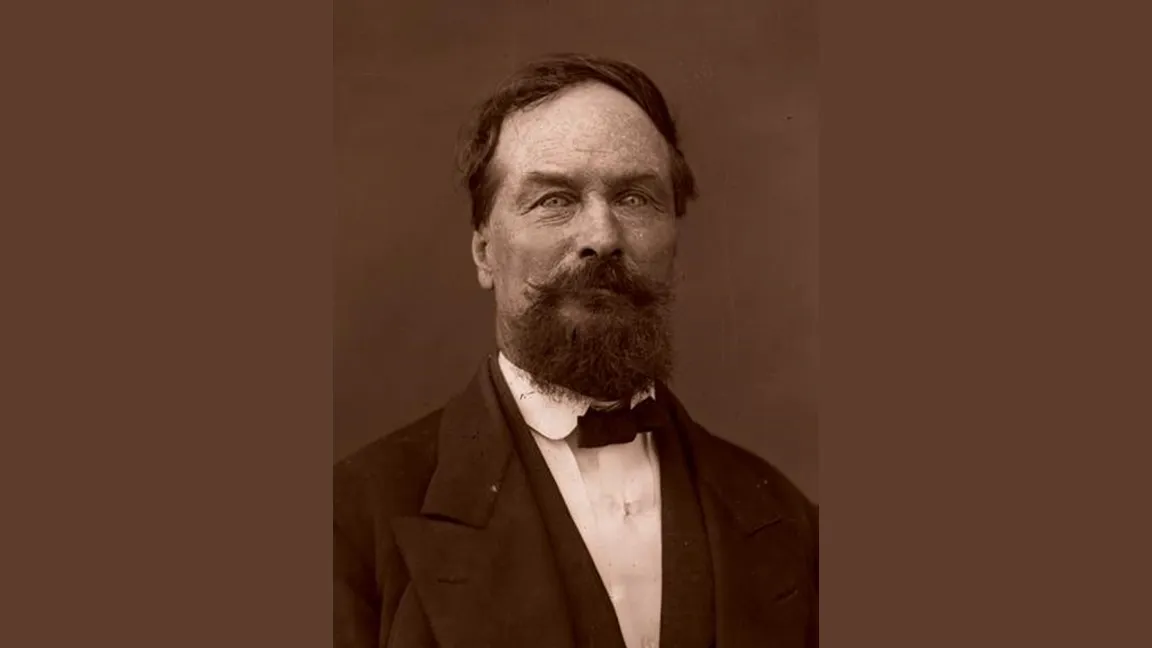
The 19th-century American frontier produced many figures whose lives became entangled with lawlessness, loyalty, faith, and violence. Among them was a man who left a lasting imprint on history through his role in frontier justice, religious defense, and political turmoil. His story reflects the complexities of early Utah, the rise of Mormon settlements, and the tension between personal loyalty and public duty. Far less celebrated than the famous Wild Bill Hickok, this man nonetheless lived a turbulent life that blended heroism with brutality.
This article explores his life in depth examining his early years, involvement with the Church of Jesus Christ of Latter-day Saints, service as a bodyguard, acts of violence, and eventual downfall. By the end, readers will better understand how his actions shaped the perception of Mormon enforcers and the American frontier at large.
Wild Bill Hickman: Early Life on the American Frontier
Born in 1815 in Kentucky, this frontier figure grew up amid the rugged wilderness where survival demanded resilience and strength. His youth was marked by movement westward, following the same migration patterns that drew many families seeking opportunity beyond the Mississippi River.
Like many men of his time, he developed skills in horsemanship, firearms, and wilderness survival qualities that would later define his reputation. Yet, his restless nature and willingness to use violence foreshadowed the tumultuous path ahead.
Wild Bill Hickman: Conversion and Loyalty to Mormonism
The man’s life took a decisive turn when he encountered Mormon missionaries. After converting, he aligned himself with the church’s growing community. His loyalty to the movement made him a valuable ally, especially during a period when the Saints faced hostility from outsiders.
As the Mormon community moved west under the leadership of Brigham Young, he became known as a fierce defender. His willingness to intimidate or even eliminate perceived threats earned him a place among the most trusted enforcers.
Wild Bill Hickman: The Bodyguard of Brigham Young
One of his most significant roles was serving as a bodyguard for Brigham Young, the second president of the LDS Church. In this capacity, he was tasked with ensuring the safety of the Mormon leader against both external enemies and internal dissent.
His imposing presence, reputation for violence, and absolute loyalty made him indispensable. However, the same qualities that made him useful also created an atmosphere of fear and suspicion around his activities.
Wild Bill Hickman: Life as a Frontier Enforcer
The mid-19th century was a turbulent time in Utah Territory. Conflicts between Mormon settlers and federal authorities, disputes with Native tribes, and challenges from dissenters created constant tension. This figure often acted as the unofficial strong arm of the church, carrying out tasks that ranged from guarding leaders to eliminating rivals.
His actions reflected the rough justice of the frontier—where disputes were often resolved through force rather than law. While some contemporaries viewed him as a protector of the faith, others considered him a ruthless vigilante.
Wild Bill Hickman: The Mormon Reformation and Violence
During the 1850s, the Mormon Reformation intensified religious fervor in Utah. Leaders called for renewed commitment, and loyalty was tested. This period also saw increased acts of violence carried out by church enforcers.
This man played a role in these efforts, targeting apostates, dissenters, and perceived enemies. His involvement in such acts remains controversial, as later testimony suggested that many killings were carried out with church approval or at least tacit consent.
Wild Bill Hickman: Involvement in the Utah War
The Utah War of 1857–1858 brought the U.S. Army into conflict with Mormon settlers. As tensions rose, men like him became crucial defenders of Mormon communities. He participated in guerilla-style tactics designed to harass federal troops and discourage invasion.
Although the conflict eventually de-escalated without major battles, the episode reinforced his reputation as a dangerous man—one willing to confront national authority for the sake of his people.
Wild Bill Hickman: Betrayal and Confession
Despite years of loyalty, his relationship with the church eventually fractured. After being arrested and facing pressure from federal authorities, he turned against his former allies.
In a dramatic move, he provided testimony and confessions about violent acts carried out under his watch. These accounts implicated church leaders and enforcers in murders and intimidation campaigns. His willingness to speak openly shocked many and permanently damaged his relationship with the Mormon community.
Wild Bill Hickman: Memoirs and Historical Impact
Later in life, he dictated memoirs that detailed his exploits. These writings, while sensational and sometimes contradictory, provide rare insight into the world of Mormon enforcers and frontier justice.
Historians debate the accuracy of his claims, with some viewing them as self-serving exaggerations while others treat them as valuable firsthand accounts. Regardless of interpretation, his memoirs remain a significant source for understanding the turbulent history of Utah in the mid-19th century.
Wild Bill Hickman: Comparison with Wild Bill Hickok
Because of the similarity in their nicknames, confusion often arises between him and the more famous Wild Bill Hickok, a legendary lawman and gunslinger. However, their lives and roles were quite different.
- Wild Bill Hickok became known as a symbol of law and order in the Old West.
- Wild Bill Hick man, by contrast, was seen as a shadowy enforcer for a religious community.
- Hickok’s legacy leans toward romanticized heroism, while Hickman’s legacy remains entangled in secrecy and betrayal.
This contrast highlights how nicknames can shape public memory, sometimes overshadowing the true character of historical figures.
Wild Bill Hickman: Legacy of a Mormon Danite
Though the official Danite organization of the 1830s was short-lived, the concept of Mormon “avengers” or secret enforcers persisted in cultural memory. This man became a symbol of that tradition—whether officially part of such groups or not.
His story has been cited in debates over the violent aspects of early Mormon history. For critics, he represents proof of religiously sanctioned vigilantism. For defenders, he stands as an exaggerated example of a rough frontier man whose loyalty was twisted by circumstance.
Wild Bill Hickman: Lessons from a Violent Frontier Life
His life encapsulates many themes of the 19th-century American frontier:
- The blurred line between justice and vengeance.
- The power of loyalty in shaping personal choices.
- The challenges of building community under constant threat.
- The dangers of unchecked authority in frontier societies.
By studying his story, historians gain insight not only into Mormon history but also into the broader dynamics of violence, faith, and survival in America’s westward expansion.
Wild Bill Hickman: Conclusion
The life of this controversial frontier enforcer remains both fascinating and troubling. From loyal defender of Mormon leaders to bitter informant against them, his story reflects the complexities of faith, power, and violence in 19th-century America.
Though overshadowed by more famous frontier names, he holds a unique place in history as a man whose actions shaped the fate of Utah and the reputation of Mormon enforcers. His legacy is a reminder that history often blurs the lines between heroism and villainy.
For readers interested in uncovering the overlooked figures of the American West, his story offers both a cautionary tale and a compelling narrative of loyalty gone awry.
FAQs
1. Who was Wild Bill Hickman?
He was a 19th-century frontier enforcer, Mormon defender, and controversial figure in Utah’s history.
2. Was Wild Bill Hickman the same person as Wild Bill Hickok?
No. Although their nicknames are similar, Hickman was a Mormon enforcer, while Hickok was a lawman and gunslinger.
3. What role did Wild Bill Hick man play in Mormon history?
He served as a loyal bodyguard to Brigham Young and carried out violent acts to protect the church community.
4. Why is Wild Bill Hick man considered controversial?
He confessed to murders and violent acts, later turning against his former allies by testifying against them.
5. Did Wild Bill Hick man write a book?
Yes, his dictated memoirs provide insight into his life, though historians debate their accuracy.
6. What is the legacy of Wild Bill Hick man today?
His story remains a symbol of the violent side of frontier Mormonism and the challenges of early Utah.
7. How does Wild Bill Hick man differ from other frontier figures?
Unlike romanticized gunfighters, he was remembered more for his role as an enforcer and betrayer than as a folk hero.