DevOps has revolutionized the way organizations develop, deploy, and maintain software applications. As companies increasingly adopt DevOps practices, the demand for certified professionals continues to surge. If you’re considering pursuing a DevOps certification, this comprehensive guide will help you understand the investment required, time commitment, and career advantages you’ll gain.
What is DevOps Certification?
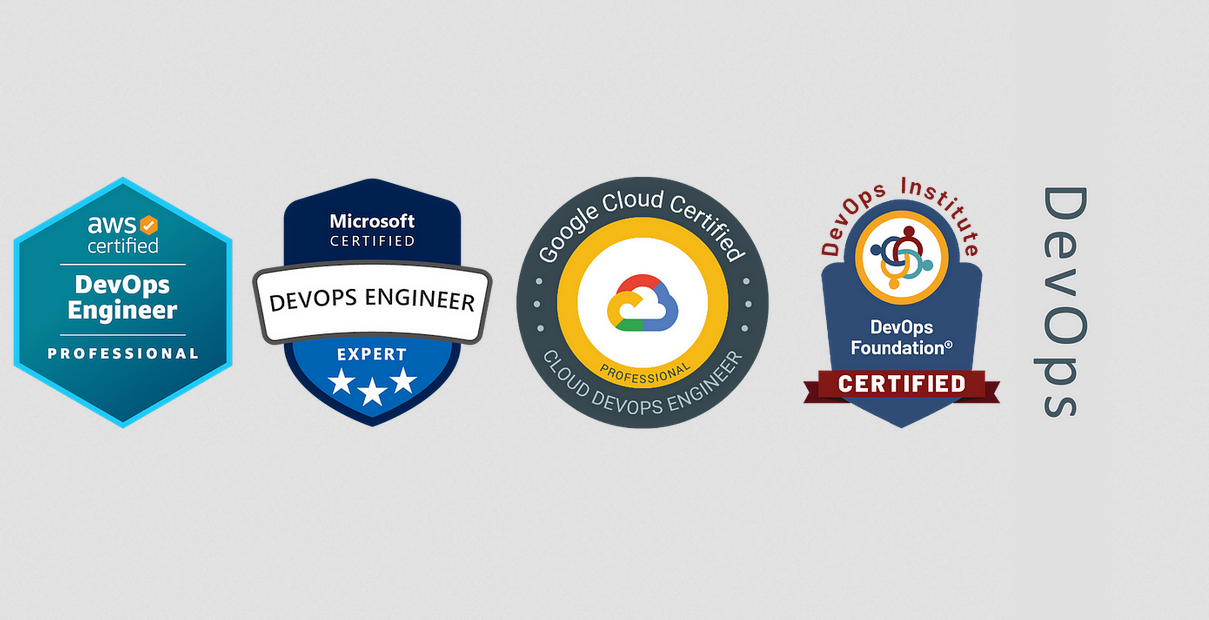
A DevOps certification validates your expertise in implementing, managing, and automating software development and IT operations. These credentials demonstrate your proficiency in tools, methodologies, and best practices that enable continuous integration, continuous deployment, and seamless collaboration between development and operations teams. A DevOps certification serves as proof of your technical competency to employers worldwide.
Duration: How Long Does DevOps Certification Take?
The timeline for obtaining a DevOps certification varies based on your prior experience and the specific certification program you choose.
For beginners, expect a commitment of 3-6 months of dedicated study. This includes understanding fundamental concepts like containerization, orchestration, infrastructure as code, and CI/CD pipelines. Most online courses require 15-25 hours of learning material per week.
For intermediate professionals with some cloud or IT operations background, the timeline typically ranges from 6-8 weeks to 3 months. You’ll likely focus on advanced topics and hands-on labs rather than foundational concepts.
For experienced professionals, fast-track DevOps certification programs can be completed in 2-4 weeks. Your existing infrastructure knowledge and automation experience significantly reduce the learning curve.
Most reputable DevOps certification programs include 40-100 hours of instructional content, hands-on labs, and project work. Exam preparation typically requires an additional 1-2 weeks of focused review.
Cost: Investment in Your DevOps Certification
DevOps certification costs range significantly depending on the provider and program level.
Entry-level certifications typically cost between $100-$300. These foundational programs introduce DevOps principles and basic tool knowledge. They’re ideal starting points if you’re new to the field.
Intermediate certifications range from $300-$700. These programs provide more comprehensive training, extensive hands-on labs, and advanced tool expertise. They represent the most popular choice among professionals seeking meaningful credentials.
Advanced and specialized certifications can cost between $500-$1,500. These premium programs often include additional resources, mentorship, exam guarantee policies, and lifetime access to updated materials.
Additional expenses to consider include exam fees ($100-$300), practice test materials ($50-$150), and recommended books or resources ($20-$100). Some employers offer tuition reimbursement for DevOps certification, so check with your HR department before investing personal funds.
Benefits of Pursuing DevOps Certification
Career Advancement and Higher Salaries
Certified DevOps professionals command significantly higher salaries compared to non-certified counterparts. Industry reports show that DevOps certification holders earn 15-30% more annually. This salary premium reflects the specialized skills and proven expertise that certification demonstrates to potential employers.
Increased Job Opportunities
A DevOps certification opens doors to numerous career opportunities across various industries. Tech companies, financial institutions, healthcare organizations, and e-commerce platforms actively recruit certified DevOps professionals. Your certification becomes a competitive advantage in job applications and interview processes.
Practical Skills Development
DevOps certification programs focus on practical, hands-on training. You’ll gain real-world experience with industry-standard tools like Docker, Kubernetes, Jenkins, and various cloud platforms. These skills are immediately applicable to your current role, allowing you to contribute value from day one.
Industry Recognition and Credibility
Certifications from recognized providers carry weight in the industry. Employers trust these credentials as evidence of your competency. This recognition extends globally, making your DevOps certification valuable regardless of your location or job market.
Enhanced Professional Network
DevOps certification programs connect you with peers, instructors, and industry experts. These networking opportunities often lead to collaborations, mentorships, and job referrals. Professional communities built around DevOps certification continue to support your career growth long after completion.
Continuous Learning and Staying Current
The DevOps landscape evolves rapidly with new tools and practices emerging constantly. Pursuing DevOps Course ensures you remain updated with industry best practices and the latest technologies. This commitment to continuous learning benefits both your career and your organization.
Choosing the Right DevOps Certification
When selecting a DevOps certification program, consider these factors:
Your current skill level determines whether you need foundational or advanced content. Beginners should choose programs with comprehensive prerequisites, while experienced professionals might prefer specialized certifications.
Your career goals guide your choice. If you’re aiming for cloud-specific roles, prioritize certifications from cloud providers. For general DevOps expertise, broader certification programs serve you better.
Program format matters significantly. Online, self-paced courses offer flexibility, while instructor-led training provides structured learning. Bootcamps deliver intensive, accelerated paths, though they require substantial time investment.
Employer recognition varies by industry and region. Research which DevOps certifications are most valued by your target employers before enrolling.
Is DevOps Certification Worth It?
Absolutely. A DevOps certification represents a strategic investment in your professional future. The combination of reasonable time commitment (typically under 6 months), manageable costs (generally under $1,000 including exam fees), and substantial benefits (career advancement, higher salaries, job security) makes DevOps certification an excellent choice.
The global demand for DevOps professionals continues to outpace supply, meaning certified candidates enjoy exceptional job market conditions. Whether you’re transitioning careers, seeking promotion, or validating existing skills, a DevOps certification accelerates your professional growth.
Conclusion
Pursuing a DevOps certification requires a meaningful but achievable time investment—typically 3-6 months—and financial commitment ranging from $300-$1,500. The returns, however, far exceed the initial investment through career advancement, salary increases, and enhanced job security. In today’s competitive job market, a DevOps certification distinguishes you as a serious professional committed to mastering the tools and practices that drive modern software delivery. If you’re ready to advance your career and gain industry-recognized credentials, now is the perfect time to pursue your DevOps certification journey.