Many homeowners focus on maintaining the visible aspects of their property, like spotless floors and a fresh coat of paint. While this upkeep is important, it’s easy to overlook hidden dangers that could pose significant health risks. Issues like mold growth, excess moisture, and undetected leaks may not be immediately apparent, yet they can quietly undermine indoor air quality over time. These problems are particularly concerning in regions with varying humidity levels, where conditions are ideal for mold to thrive. Left unchecked, they can impact your family’s well-being in subtle but harmful ways, such as triggering allergies or respiratory issues.
How Mold Affects Your Health
Mold is a common household problem, thriving in damp, poorly ventilated areas like basements, bathrooms, attics, and near windows. Even seemingly harmless molds can cause serious health issues with prolonged exposure, including coughing, sneezing, headaches, watery eyes, and fatigue. For those with asthma or allergies, mold can significantly worsen respiratory symptoms. Often growing undetected behind walls, under carpets, or within HVAC systems, its removal can be challenging without professional assistance. Regular inspections can help detect moisture early, preventing extensive mold growth.
Early Detection Prevents Major Issues
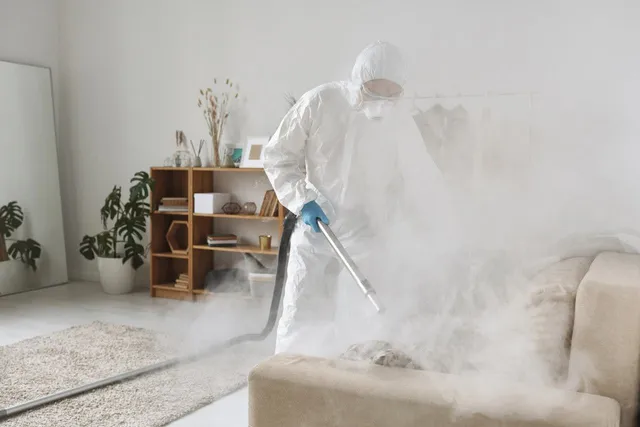
Early detection is crucial for protecting your health and property. Routine checks can identify leaks, humidity, or ventilation problems before they become severe infestations. Mold testing in Salt Lake City is particularly useful for detecting mold spores even before visible growth appears. This early intervention saves time and money, preventing costly repairs and reducing health risks from prolonged exposure.
Why Homeowners Shouldn’t Rely on Sight Alone
Many assume that if mold isn’t visible, it isn’t present. However, mold often hides in hard-to-reach areas. Walls, insulation, crawl spaces, and air ducts can all conceal mold growth, significantly impacting indoor air quality. A home that appears clean may still be unsafe. Professional testing can detect elevated mold levels in the air or on surfaces, even without visible signs. This makes testing an essential component of a thorough home inspection.
The Link Between Air Quality and Well-Being
Good air quality is crucial for overall health. Prolonged exposure to mold spores can cause chronic sinus problems, skin irritation, and severe allergy symptoms. For children, the elderly, or those with weakened immune systems, the effects can be even more serious. Maintaining healthy indoor air quality requires more than just occasional cleaning. Regular inspections identify hidden contaminants for proper removal, ensuring a healthier home year-round.
Protecting Property Value and Structural Integrity
Mold isn’t just a health risk—it also damages your home’s structure. Constant moisture weakens wood, drywall, insulation, and other building materials. Unchecked, mold leads to structural instability and reduces property value. Regular inspections and mold testing catch these issues early, safeguarding your family’s health and your property investment. A well-maintained, mold-free home is safer, stronger, and more attractive to buyers.
Practical Steps for Prevention
Homeowners can take several steps to minimize mold risk:
- Keep indoor humidity levels under control.
- Fix leaks and water damage immediately.
- Ensure proper ventilation in bathrooms, kitchens, and basements.
- Clean and maintain HVAC systems regularly.
- Schedule routine inspections and testing to identify hidden threats.
These steps, combined with professional testing when needed, make it easier to maintain a healthy living space.
A Safer Home Starts with Regular Checks
Protecting your home from mold requires more than surface cleaning. Regular inspections are a smart investment in your family’s health and your property’s value. Identifying and addressing mold early on prevents serious health issues and costly structural damage. Since environmental conditions often contribute to mold growth, a proactive approach is essential. By scheduling routine mold testing, you can gain peace of mind and ensure the air in your home is clean and safe to breathe.