When it comes to safety and performance, hydraulic brakes are a critical component of your vehicle or bike. Whether you’re cruising down the highway or navigating a steep mountain trail, your brakes must perform flawlessly. A key part of maintaining that performance is ensuring that your hydraulic brake system is properly sealed. A leak or poorly sealed connection can lead to reduced braking power—or worse, brake failure. In this guide, we’ll walk you through the essentials of sealing hydraulic brakes and keeping your stopping power at its peak.
Understanding Hydraulic Brakes
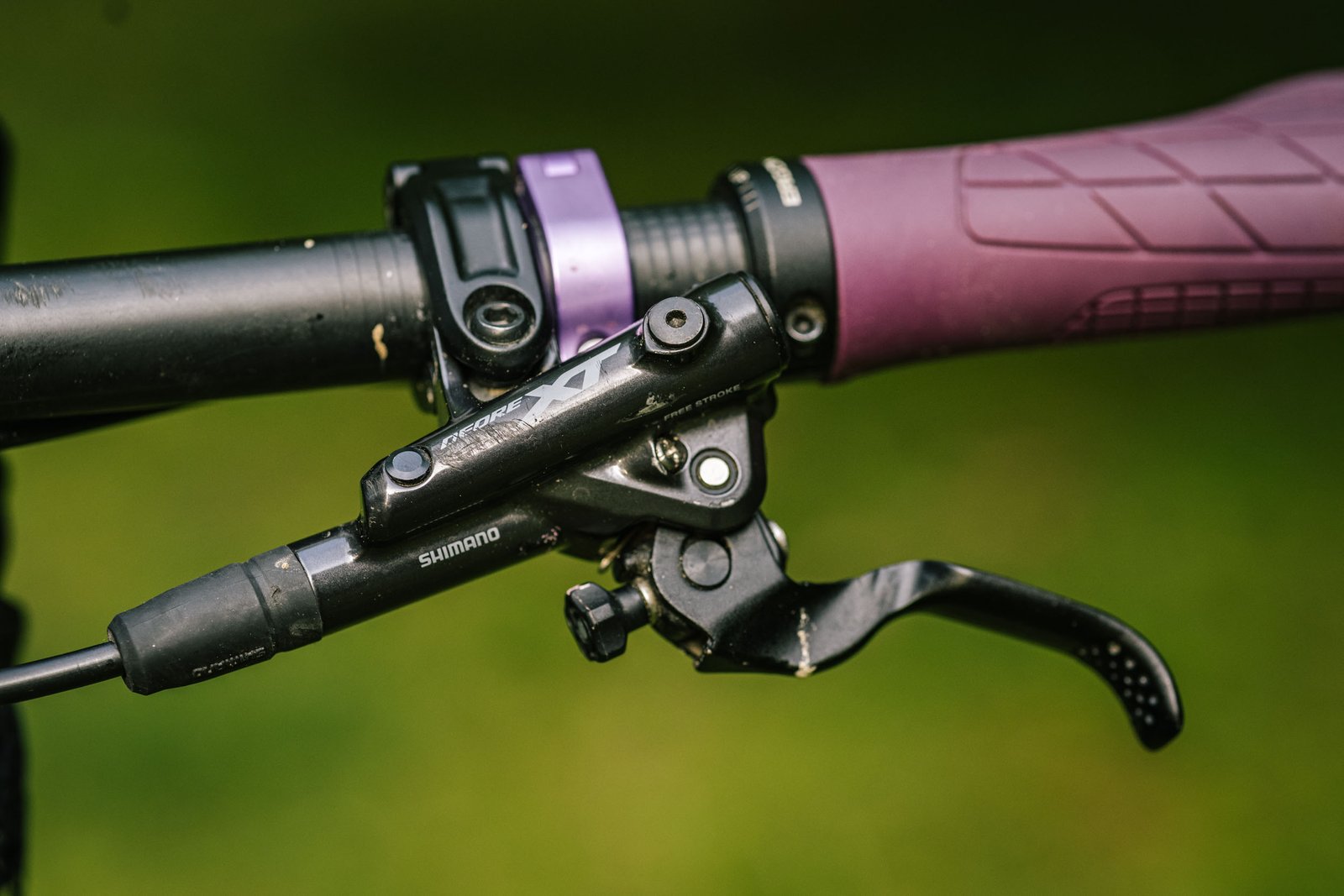
Hydraulic brakes use fluid pressure to transmit force from the brake lever or pedal to the brake calipers. Unlike mechanical brakes that rely on cables, hydraulic systems offer smoother, more consistent braking. This system depends on a closed circuit of fluid, typically mineral oil or DOT brake fluid. Any compromise in the system’s seal can allow air or fluid to enter, drastically reducing braking efficiency.
Because these brakes operate under high pressure, even a tiny leak can be dangerous. Sealing your hydraulic brakes is about maintaining a closed, pressurized system that responds instantly when you pull the lever.
Signs Your Hydraulic Brakes Need Sealing
Before diving into the sealing process, it’s important to recognize the signs that your hydraulic brakes may be compromised:
- Soft or spongy brake lever: If the lever feels mushy instead of firm, air may have entered the system.
- Brake fluid leaks: Visible fluid around the caliper, hose, or lever indicates a seal problem.
- Reduced stopping power: If your brakes don’t stop as effectively as before, a leak or unsealed component could be the culprit.
- Unusual noises: Squealing, grinding, or hissing can signal that the system isn’t properly sealed.
Identifying these warning signs early allows you to address sealing issues before they lead to brake failure.
Tools and Materials You’ll Need
Sealing hydraulic brakes doesn’t require a full mechanic’s toolkit, but having the right materials ensures success:
- Replacement seals or O-rings specific to your brake model
- High-quality hydraulic brake fluid
- Bleed kit (if applicable)
- Clean rags or paper towels
- Wrenches or hex keys for your brake components
- Safety gloves and goggles
Using proper tools and fluids is crucial because the wrong type of brake fluid or damaged seals can compromise the system further.
Step-by-Step Guide to Sealing Hydraulic Brakes
1. Inspect the System
Start by carefully examining the brake lines, calipers, and lever assembly. Look for worn or cracked seals, damaged hoses, or fluid leakage points. Replacing damaged components is essential before resealing the system.
2. Remove and Clean Components
Disassemble the brake calipers and lever assembly according to the manufacturer’s instructions. Clean each part thoroughly to remove dirt, old fluid, and debris. Contaminants can prevent proper sealing and lead to system failure.
3. Replace Seals and O-Rings
Replace any worn seals, O-rings, and rubber U-cups as needed. Make sure each component is properly seated, avoiding twists or stretches. Correct installation is essential to keep the hydraulic fluid securely contained under high pressure.
4. Reassemble and Fill with Fluid
Reassemble your brake components carefully. Fill the system with the recommended hydraulic fluid, making sure not to overfill. The fluid acts as the medium through which pressure is transmitted, so maintaining the correct level is critical.
5. Bleed the Brakes
Bleeding removes any trapped air from the system. Even a small air bubble can compromise braking power. Follow the manufacturer’s bleeding procedure carefully, ensuring a firm and responsive lever.
6. Test and Fine-Tune
Once resealed and bled, test the brakes in a safe environment. Check for any signs of leaks, sponginess, or uneven braking. Make adjustments as needed to ensure optimal performance.
Tips for Long-Lasting Brake Seals
- Regular maintenance: Inspect seals and fluid levels at least once a season.
- Use manufacturer-approved fluids: Mixing fluid types can damage seals.
- Avoid contamination: Dirt or oil can degrade rubber seals over time.
- Store correctly: If your bike or vehicle will sit unused, check seals and fluid before returning to use.
In Conclusion
Sealing hydraulic brakes is more than just a maintenance task—it’s a vital safety step. By keeping your system airtight and properly pressurized, you ensure that every stop is smooth, controlled, and reliable. Whether you’re a casual cyclist or a dedicated driver, taking the time to inspect, seal, and maintain your hydraulic brakes will give you confidence on every ride. Remember: in braking, as in life, preparation is everything. Stop on a dime, every time.