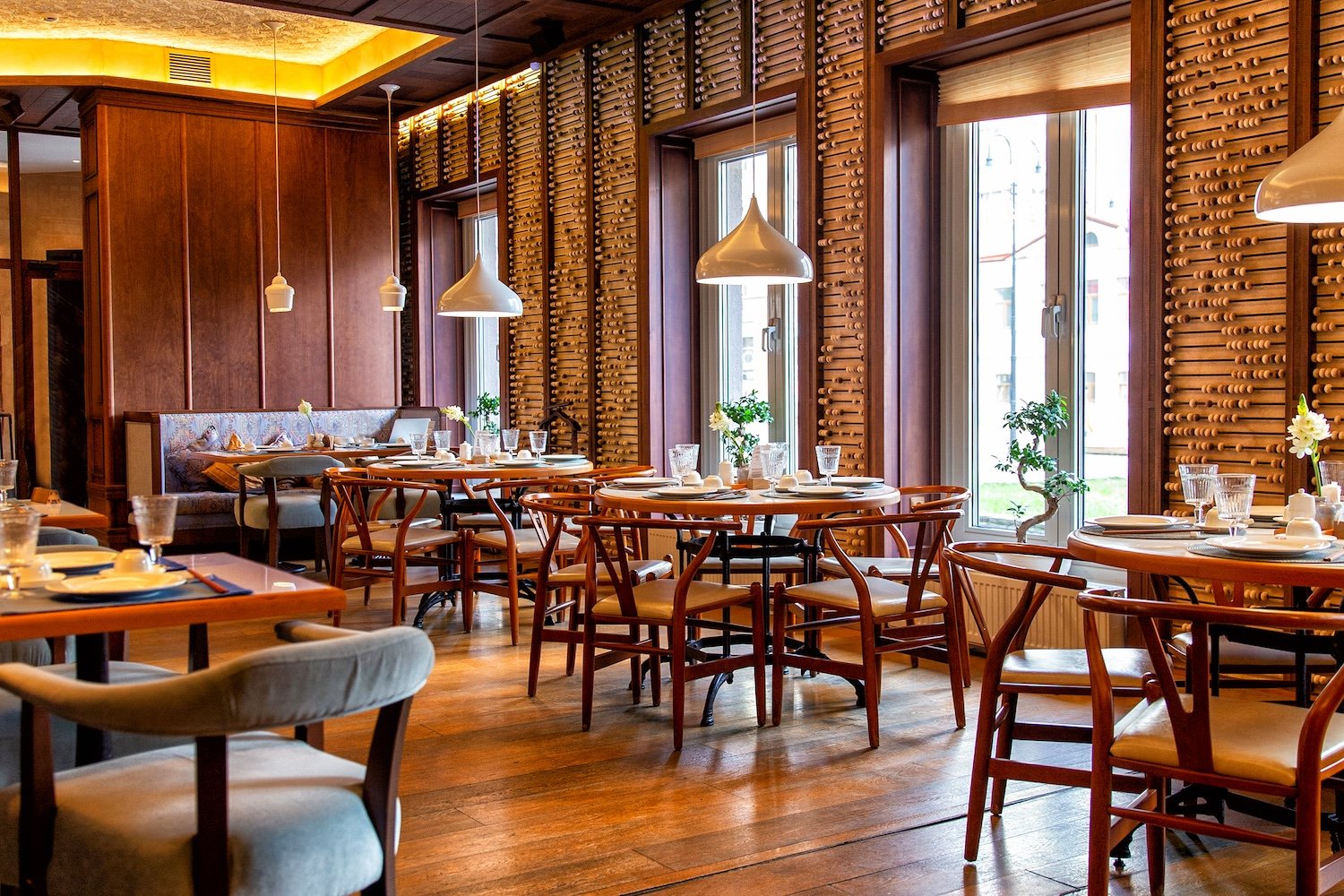
Transforming an old building into a modern restaurant is a captivating prospect. These spaces often possess unique character, historical significance, and architectural details that new constructions lack. However, such a project comes with a distinct set of challenges that require careful planning and execution. Before you start dreaming of your grand opening, it’s vital to assess whether you’re truly prepared for the complexities of renovating an older structure for a commercial dining establishment.
Initial Assessment and Feasibility
The first step in this journey is a thorough evaluation of the property. An old building is more than just its charming facade; it’s a collection of systems and structures that may need significant updates to meet modern codes and the demands of a busy restaurant.
Structural Integrity and Systems
Begin with a professional inspection. A structural engineer can identify potential issues with the foundation, load-bearing walls, and roof. Similarly, an assessment of the existing electrical, plumbing, and HVAC systems is crucial. Most older buildings were not designed to support the power and water demands of a commercial kitchen. Upgrading these systems is often one of the most significant expenses in a renovation project. You need to know the full scope of this work before committing.
Navigating Codes and Regulations
Renovating an old building for commercial use, especially a restaurant, involves a complex web of regulations. Compliance is not optional, and overlooking these rules can lead to costly delays or even project failure.
Zoning, Permits, and Accessibility
Confirm that the building’s zoning allows for a restaurant. If not, you will need to apply for a variance, which can be a lengthy process. You will also need numerous permits for construction, electrical work, plumbing, and health department approval. Furthermore, all modern commercial spaces must comply with accessibility standards, which may require installing ramps, wider doorways, and accessible restrooms—modifications that can be challenging to integrate into a historic structure.
Designing for Function and Ambiance
A successful restaurant design balances aesthetic appeal with operational efficiency. In an old building, the goal is to celebrate its unique character while creating a practical space for both staff and guests.
Kitchen and Dining Layout
The kitchen is the heart of your restaurant. Its layout must prioritize a logical workflow for your staff. Consider the placement of cooking stations, prep areas, and dishwashing zones. In the dining area, your layout should maximize seating capacity without feeling cramped. Use the building’s existing features, like exposed brick or original wood beams, to create a memorable atmosphere. Integrating new materials can also enhance the design; for example, a custom bar front made with durable pre cast stone from Portland can add a modern touch that complements the historic setting.
Material and Finish Selection
Choose materials that are durable, compliant with health codes, and aligned with your design vision. Flooring must be slip-resistant and easy to clean. Wall surfaces in the kitchen need to be non-porous. In the front-of-house, your choices can reflect the building’s history while ensuring longevity in a high-traffic environment.
Budgeting for the Unexpected
A realistic budget is your most important tool. Renovating old buildings is notorious for uncovering unforeseen problems. From hidden water damage to outdated wiring within walls, surprises are almost guaranteed.
Create a Comprehensive Budget
Your budget should cover all anticipated costs: inspections, permits, architectural and design fees, construction, materials, kitchen equipment, and furniture. Most importantly, include a substantial contingency fund, typically 20-30% of the total project cost. This fund will be your safety net for tackling the inevitable surprises that arise during demolition and construction.
Embarking on a restaurant renovation in an old building is a significant undertaking, but with meticulous planning, it can lead to a truly remarkable dining destination. Start by conducting thorough inspections and understanding all regulatory requirements to build a solid foundation for your project.