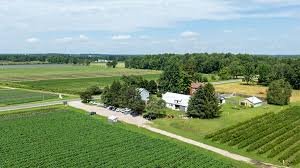
Ontario is home to a diverse range of farms, from working agricultural operations to hobby farms and pick-your-own farms. Visitors and buyers alike can find everything from cattle and poultry farms to flower and fruit farms. The province offers a rich agricultural heritage combined with opportunities for hands-on experiences like farm stays, seasonal events, and fresh farm-to-table produce.
Many farms in Ontario welcome guests with activities such as pumpkin picking, wagon rides, and corn mazes, making them popular destinations for families and food enthusiasts. The variety of farms also includes markets and vineyards where people can enjoy local flavors and seasonal products throughout the year.
For those interested in purchasing farmland, Ontario provides listings catering to different needs, whether for business or lifestyle. This combination of agriculture, tourism, and real estate highlights the important role farms play in Ontario’s culture and economy.
Types of Farms in Ontario
Ontario’s farming landscape includes a variety of specialized operations that contribute significantly to provincial and national food supplies. Key farming types focus on dairy production, crop cultivation, livestock rearing, and increasingly, organic farming.
Dairy Farms
Dairy farming is a major component of Ontario’s agricultural sector. The province produces about one-third of Canada’s milk and dairy products, supporting a large network of dairy farms primarily located in southern Ontario. These farms raise Holstein and Jersey cattle, which are well-suited to the region’s temperate climate.
Modern dairy operations frequently use technology such as automated milking systems and climate-controlled barns to optimize milk production and animal welfare. Dairy farms in Ontario also contribute substantially to cheese and yogurt manufacturing industries, making them central to both agriculture and food processing.
Crop Farms
Crop farming dominates much of Ontario’s agricultural activity, with key commodities including corn, soybeans, and wheat. These cash crops thrive in the province’s fertile soils and favorable growing season. Corn and soybeans are mainly grown for animal feed, biofuel, and export markets.
Other important crops include barley, oats, and specialty grains. Crop farms vary in size but often use precision agriculture technologies like GPS-guided equipment to improve yield and reduce environmental impact.
Livestock Farms
Livestock farms in Ontario raise a diverse range of animals beyond dairy cattle. Swine and poultry farms form significant parts of the sector, producing pork, chicken, and eggs. Beef farming is also present but less dominant compared to other provinces.
These farms emphasize health management, biosecurity, and efficient feeding strategies to maintain productivity. Ontario’s livestock producers follow strict regulations related to animal welfare and environmental stewardship.
Organic Farms
Organic farming in Ontario is a growing sector that complies with strict standards avoiding synthetic pesticides, fertilizers, and genetically modified organisms. These farms produce organic fruits, vegetables, grains, and dairy products.
Producers often focus on soil health through crop rotation, cover cropping, and composting. Organic farms tend to be smaller but cater to niche markets such as local food buyers and health-conscious consumers. Certification through recognized bodies ensures adherence to organic practices.
Choosing and Visiting Farms in Ontario
Ontario offers diverse farming experiences—from fruit and flower picking to livestock and vineyard tours. Visitors should consider location, the type of farm, and available activities to tailor their visit to interests like fresh produce, educational tours, or seasonal events.
Popular Farming Regions
Some of Ontario’s key farming regions include the Niagara Peninsula, known for vineyards and orchards. The Holland Marsh near Toronto is famous for its vegetable production, especially lettuce and onions. Eastern Ontario and areas around Ottawa excel in dairy and livestock farming.
Each region specializes in distinct crops or products, making it important for visitors to choose farms that match their interests. For instance, those wanting vineyard tours and wine tastings may head to Niagara, while blueberry and strawberry picking is common in Eastern Ontario.
Farm Tours and Agritourism
Many farms in Ontario offer organized tours that teach visitors about food production and farming heritage. These often include guided walks, tasting sessions, and workshops on planting or animal care. Vineyards may provide wine tasting combined with scenic views.
Agritourism also covers farm stays, where visitors can live on-site and experience daily farm life. Educational tours focus on sustainability practices, maple syrup production, and seasonal crop cycles. These tours are designed to engage families and food enthusiasts alike.
Seasonal Farm Activities
Ontario farms host specific activities depending on the time of year. Spring and early summer are popular for planting workshops and visiting flower farms like lavender fields. Summer often features fruit picking—such as berries, cherries, and peaches—and farm markets selling fresh local produce.
Autumn brings harvest festivals, pumpkin patches, and corn mazes, offering interactive experiences. Winter farms might focus on maple syrup tapping and holiday-themed events. Planning visits according to seasonal offerings allows visitors to enjoy relevant activities and fresh products.