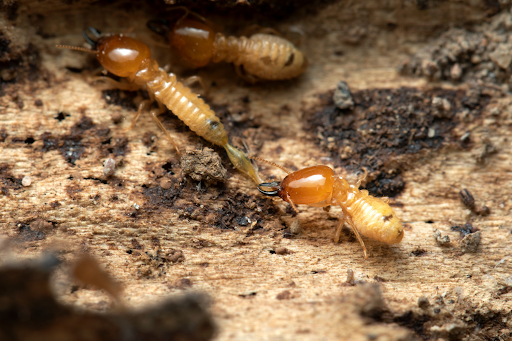
Termites are silent destroyers. They can invade your home and cause thousands of dollars in damage—often without you even knowing they’re there. These pests feed on wood, paper, and other materials that contain cellulose, and they’re active all year round. The worst part? Most homeowners don’t realize they have a problem until the damage is already extensive.
So, how can you protect your home or business before it’s too late?
The answer lies in early detection. Below are 10 warning signs that indicate it’s time to schedule a professional termite inspection Gold Coast—today.
1. Hollow-Sounding Wood
One of the most common signs of termite activity is wood that sounds hollow when tapped. Termites eat wood from the inside out, so the surface may look fine while the interior has been completely eaten away. Tap on door frames, baseboards, or wooden beams—if they sound hollow or papery, you may already have an infestation.
2. Discarded Wings
Termites swarm when they’re looking to start a new colony. During this time, they shed their wings. If you find piles of discarded wings near windows, doors, or light fixtures, it’s a red flag that a swarm has occurred—and some of those termites may have already settled inside your property.
3. Mud Tubes on Walls or Foundations
Subterranean termites, the most destructive kind, build mud tubes to protect themselves while traveling between their colony and a food source. These tubes, usually found on walls, foundations, or crawl spaces, are about the width of a pencil. If you spot them, it’s a clear sign that termites are active and feeding.
4. Cracked or Bubbling Paint
You might think it’s just moisture damage or poor paintwork, but bubbling or cracked paint can also indicate termites tunneling through wood underneath. This is often seen on drywall or window sills where termites have hollowed out material close to the surface.
5. Stuck Doors or Windows
If your doors and windows suddenly become hard to open or close, termites could be the cause. As they tunnel and feed, the moisture they produce can warp wood, making frames swell or shift. What seems like a simple hardware issue may actually be a warning sign of something far more serious.
6. Noises in the Walls
Believe it or not, termites can make noise. If you hear faint clicking or tapping inside your walls, especially at night, it could be termites at work. Soldier termites bang their heads to signal danger, and worker termites make quiet feeding sounds. If your walls are talking, it’s time to listen—and act.
7. Frass (Termite Droppings)
Drywood termites leave behind tiny, pellet-like droppings known as frass. These often appear as small mounds near wooden structures, and they resemble coffee grounds or sawdust. Finding frass is a strong indicator of an active termite colony nearby.
8. Sagging or Buckling Floors
Termites can damage not only walls and ceilings but also floors. If you notice that your flooring has started to sag, buckle, or feel unusually soft, it could be the result of termites eating away at the subflooring or support beams. This is especially common in hardwood and laminate flooring.
9. Visible Termites
While termites typically stay hidden, seeing even one is enough to warrant immediate inspection. Swarming termites look similar to flying ants but have straight antennae, uniform waistlines, and two pairs of equal-length wings. If you see live termites inside or around your property, there’s a high chance of an active infestation.
10. Unexplained Wood Damage
If furniture, fencing, beams, or other wood structures seem to be crumbling or have maze-like patterns inside, termites could be to blame. You might also notice wood that flakes away easily or disintegrates under slight pressure—clear signs that the structure has been compromised from within.
Why You Shouldn’t Wait
By the time termite damage becomes visible, it’s often severe. Termites can silently destroy the structural integrity of your home or business, and the repair costs can be substantial. That’s why early detection and prevention are key.
Scheduling a professional termite inspection at the first sign of trouble can:
- Prevent further damage
- Save you money in repairs
- Protect your property value
- Give you peace of mind
Even if you’re not currently seeing signs, regular inspections—at least once a year—are highly recommended, especially in termite-prone areas.
What Happens During a Termite Inspection?
A certified pest control technician gold coast will thoroughly inspect both the interior and exterior of your property, including:
- Foundation and crawl spaces
- Basements and attics
- Wooden structures and furniture
- Rooflines and eaves
- Landscaping near the home
They’ll look for signs of activity, damage, mud tubes, droppings, and more. If termites are found, they’ll recommend a tailored treatment plan that may include liquid treatments, bait systems, or fumigation.
Final Thoughts
Don’t let termites eat away at your biggest investment—your home. Whether you’re seeing any of the 10 warning signs listed above or just want to be proactive, a termite inspection is a small step that can save you from major headaches (and costs) down the road.